
The following comes from a Grok summary about the NILI Spy Ring, concerning their motivations for spying, their activities, and their connection to the Holiday of Chanuka.
Before presenting the Grok summary, it is appropriate to provide the historical context for the usage of the term Palestine.
The territory once known as Judea came to be called **Palestine** after the **Roman suppression of the Jewish Bar Kokhba Revolt (132–135 CE)**. To punish the Jewish population and weaken their historical connection to the land, the Romans **renamed the province from *Judea* to *Syria Palaestina***. The name “Palaestina” was derived from the **Philistines**, an ancient people who had lived along the southern coastal plain centuries earlier. Over time, this Roman name persisted through Byzantine, Islamic, and later European usage, evolving into “Palestine.” (quote from ChatGPT)
The NILI Spy Ring: Jewish Heroes in World War I Palestine
Introduction: A Daring Underground in Ottoman Palestine
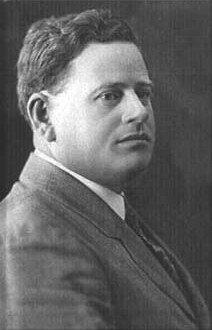
During World War I, as the Ottoman Empire aligned with Germany against the Allies, a small group of young Jews in Palestine formed one of the most audacious espionage networks of the era: NILI. The acronym stood for the Hebrew biblical phrase *Netzah Yisrael Lo Yeshaker* (“The Eternal One of Israel will not lie,” from 1 Samuel 15:29). Centered in the agricultural settlement of Zikhron Ya’akov, NILI operated from 1915 to 1917, providing critical intelligence to British forces in Egypt. Led primarily by the Aaronsohn family—botanist Aaron Aaronsohn, his sister Sarah, and close associates like Avshalom Feinberg—NILI risked everything to hasten the Ottoman defeat.
Motivation: Fear of Annihilation and Hope for Liberation
NILI’s members were driven by a profound sense of urgency and idealism. The Ottoman regime, under governors like Djemal Pasha, imposed harsh rule on Palestine’s Jewish population (the Yishuv). Heavy taxes, forced labor, expulsions, and starvation plagued the community. Thousands of Jews were deported from Jaffa and Jerusalem, and many died from disease and hunger.
Sarah Aaronsohn, returning from Istanbul in 1915, personally witnessed the Armenian Genocide—massacres and death marches that claimed over a million lives. She feared the Jews would suffer a similar fate. “We must help the British defeat the Turks,” she urged, believing only Allied victory could save Palestinian Jewry from extermination.
Broader Zionist aspirations fueled the group. By aiding Britain, NILI hoped to secure postwar support for a Jewish national home in Palestine. This aligned with emerging British sympathies, culminating in the Balfour Declaration of November 1917. Unlike much of the Yishuv leadership, which advocated neutrality to avoid Ottoman reprisals, NILI saw active resistance as essential for survival and future independence.
Activities: Espionage Behind Enemy Lines
NILI’s operations were sophisticated for a civilian network. Aaron Aaronsohn, a renowned agronomist running an experimental station in Atlit, used his travels (ostensibly to combat a 1915 locust plague) as cover to map Ottoman positions.
The group gathered intelligence on troop movements, fortifications, railroads, water sources, and weather patterns across Palestine and Syria. They recruited about 40 agents, including farmers, merchants, and even a Turkish army engineer who mapped Jerusalem’s defenses.
Communication was perilous. Initially, agents swam to British ships offshore near Atlit, like the USS *Managem*. Later, they relied on homing pigeons for coded messages (in Hebrew, Aramaic, French, and English). NILI also distributed American Jewish relief funds to starving communities, easing suffering while building local support.
Sarah took command in Palestine after Aaron relocated to Cairo and London, coordinating spies and transmissions with remarkable courage.
Success and Tragic End
NILI’s intelligence proved invaluable. British records and historians credit it with enabling General Edmund Allenby’s Sinai and Palestine Campaign. Detailed reports on Ottoman defenses in the Negev and Gaza-Beersheba line allowed surprise attacks.
The breakthrough came at the Battle of Beersheba on October 31, 1917. NILI’s data on wells, routes, and fortifications helped Australian cavalry charge and capture the town, shattering the Ottoman Gaza-Beersheba defensive line. This opened the path northward.
Tragedy struck in September 1917 when a carrier pigeon was intercepted in Caesarea. Ottomans deciphered the code, raided Zikhron Ya’akov, and arrested dozens. Sarah was tortured for days but revealed nothing; she shot herself on October 9, 1917, to avoid breaking. Others, including Yosef Lishansky and Na’aman Belkind, were hanged in Damascus. Avshalom Feinberg had died earlier in a Sinai ambush.
Despite the crackdown, NILI’s efforts succeeded: Ottoman rule in Palestine collapsed.
The Chanukah Miracle: Link to the British Conquest of Jerusalem
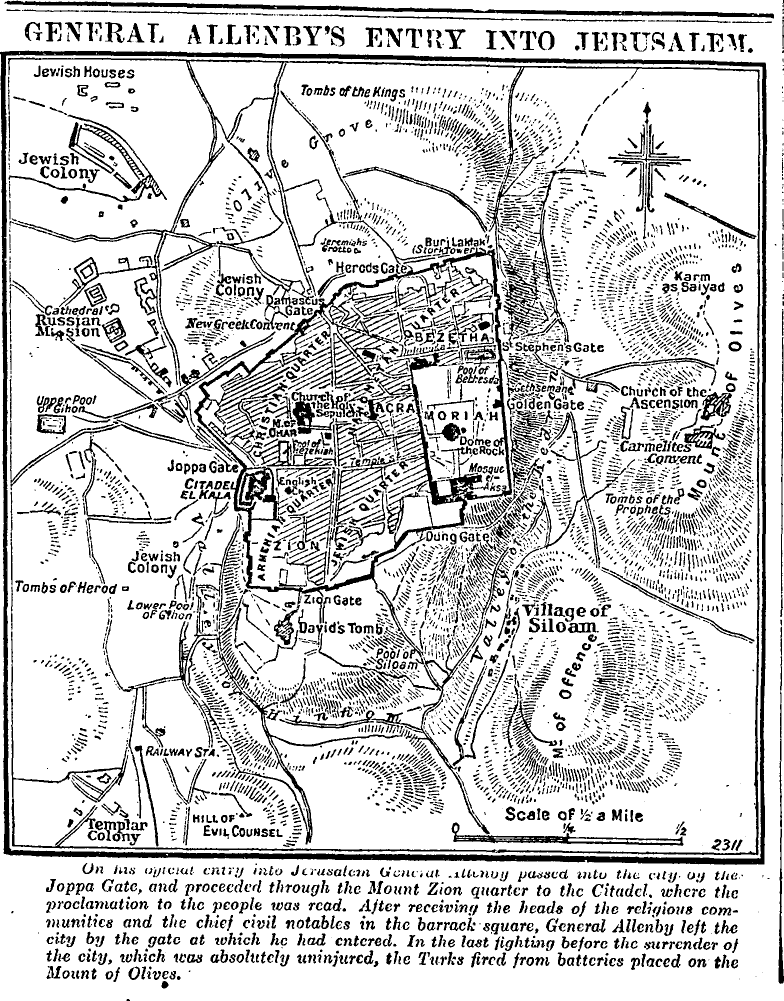
NILI’s intelligence directly facilitated the fall of Jerusalem. After Beersheba, Allenby’s forces advanced rapidly. Ottoman troops surrendered the city on December 9, 1917—the eve of Chanukah.
On December 11, 1917 (the second day of Chanukah), General Allenby entered Jerusalem on foot through the Jaffa Gate, respectfully dismounting to proclaim martial law and religious freedom. This ended 400 years of Ottoman control.
Jews worldwide saw symbolic parallels to the Maccabees’ rededication of the Temple. Chief Rabbi Joseph Hertz called it a “Chanukah miracle.” The timing amplified hopes sparked by the Balfour Declaration weeks earlier.
Legacy: Controversy and Heroism
NILI remains controversial. Many in the Yishuv criticized it for endangering the community through unilateral action. Yet postwar recognition grew; in 1967, Feinberg’s remains were reburied on Mount Herzl with honors. Today, the Aaronsohn House in Zikhron Ya’akov is a museum celebrating their sacrifice.
NILI’s bravery not only aided a military victory but helped pave the way for modern Israel’s foundations— a testament to Jewish resolve in the face of existential threats.