
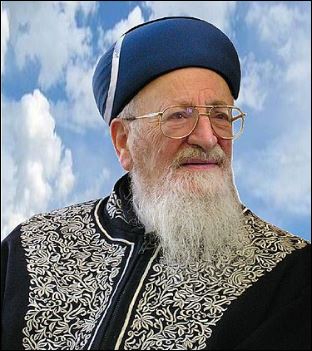
- The Initial Halachic Dilemma
- The speaker (in a Hebrew YouTube video) had been ascending the Temple Mount for two or three years.
- The Conflict with Authority: He discovered published pamphlets stating that his deeply revered spiritual mentor, Rabbi Mordechai Eliyahu, strongly opposed ascending the Mount. This created an immediate internal and halachic conflict for him.
- The Face-to-Face Encounter
- Seeking Atonement: The speaker used the occasion of his son’s Chalekeh (3rd birthday haircutting ceremony) to approach Rabbi Eliyahu directly. Expecting a reprimand, he asked how he could atone for ascending the Temple Mount for the past 2–3 years against the Rabbi’s rumored stance.
- The Crucial Distinction (How vs. If): Instead of issuing a blanket ban, Rabbi Eliyahu asked a vital clarifying question: “How do you ascend?”
- Strict Adherence to Halachic Protocols
The speaker explained that he does not ascend carelessly, but strictly follows traditional halachic boundaries:
- Performing ritual immersion (tevilah) beforehand.
- Avoiding leather footwear (walking barefoot or in non-leather shoes).
- Sticking strictly to the permitted halachic pathways (staying within the boundaries of the Camp of the Levites), a route heavily researched and established by figures like Rabbi Elbaum.
- An Unexpected Blessing and Obligation
- The Rabbi’s Approving Reaction: Upon hearing that the speaker followed exact halachic protocols, Rabbi Eliyahu became deeply interested, clapped his hands, and enthusiastically told him: “Hazak U’Baruch (Strong and Blessed), you continue to ascend.”
- From Permission to Duty: While the speaker’s wife originally urged him to ask the Rabbi in hopes he would stop out of fear, the encounter had the opposite effect. The speaker notes that he no longer ascends merely as a personal choice, but feels a spiritual obligation (chovah) based on Rabbi Eliyahu’s direct directive. For this reason for more than two decades he has frequently visited the Temple Mount.
- Disappointment with Contemporary Rabbinic Leadership
- Evasiveness of Other Sages: In the years since, the speaker has challenged various other prominent rabbis on the topic.
- “Filling Their Mouths with Water”: He expresses deep disappointment that many modern rabbinic authorities choose to remain silent or evasive, failing to provide clear, robust halachic arguments against ascending when proper purification and boundaries are maintained.
Editor’s comment: I believe both the pamphlet and the speaker in the Hebrew YouTube video from which I got this information for this post were telling the truth about Rabbi Eliyahu’s outlook on the Temple Mount.
I believe the pamphlet was directed towards the general audience and the answer to this speaker was based on a more precise knowledge of who was making an inquiry into the subject.
I remember on Election Day in Israel, one person asked Rabbi Eliyahu which party to vote for? He suggested a certain right-wing party that was running.
The questioner thought this was a general endorsement for everyone and made Rabbi Eliyahu’s opinion public.
Rabbi Eliyahu put out a clarification that his endorsement was specific for this particular person and for other people he might endorse a different particular party.
This answer might help us judge also some of the other rabbis, לכף זכות.