
During the 1990 Chief Rabbinate election cycle (specifically culminating in the February 1993 elections), both Rabbi Shlomo Goren (former Ashkenazi Chief Rabbi) and Rabbi Shaul Yisraeli (leading Religious Zionist posek, member of the Chief Rabbinate Council, and co-Rosh Yeshiva of Merkaz HaRav) voiced strong, distinct objections regarding how the process was being conducted.
While both revered the Chief Rabbinate as a vital national-halakhic institution, they argued that the 1990s elections had become deeply compromised by political manipulation, ethical erosion, and legislative overreach.
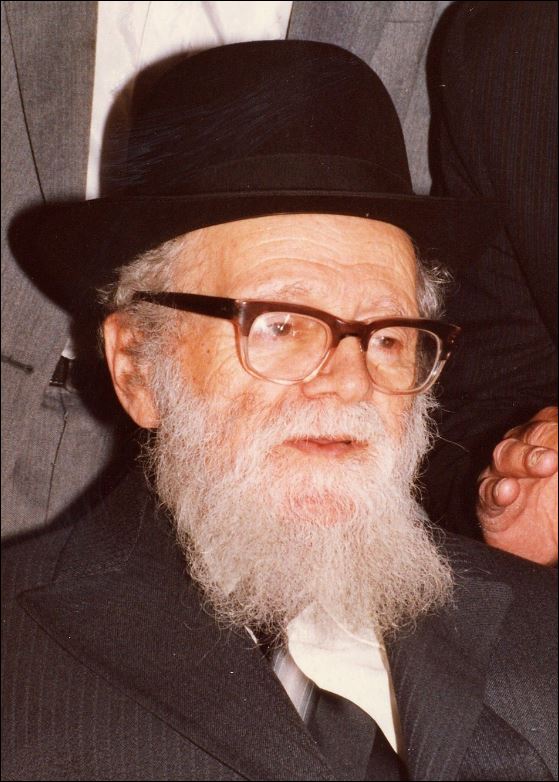
1. Rabbi Shaul Yisraeli’s Objections
Rabbi Shaul Yisraeli’s critique focused primarily on state political interference, legislative manipulation, and the loss of rabbinic autonomy:
-
Legislative Intervention & Term Limits: Political parties in the Knesset repeatedly attempted to alter the Chief Rabbinate Law—manipulating age limits and term lengths—in ways designed to force out sitting Chief Rabbis (Rabbi Avraham Shapira and Rabbi Mordechai Eliyahu) or clear paths for preferred political candidates. Rabbi Yisraeli viewed state legislation used to engineer rabbinic outcomes as an inappropriate subjugation of Torah leadership to political expediency.
-
Politicization of the Electing Assembly (Guf Bocher): He objected to how political parties (such as Shas and the Mafdal/NRP) turned the selection of the electing body into a political spoils system, where political appointees and local mayors held disproportionate sway over genuine Halakhic stature.
-
Undermining Institutional Dignity: Rabbi Yisraeli warned that reducing the election of Israel’s highest rabbinic authorities to coalition deal-making would destroy public confidence and further alienate both the Haredi and broader Israeli public from the official rabbinate.
2. Rabbi Shlomo Goren’s Objections
Rabbi Shlomo Goren’s critique focused on procedural flaws in the electoral committee, candidate vetting, and public PR campaigns:
-
Flaws in Electoral Mechanics & Governance: Rabbi Goren analyzed the flaws in the Rabbinate’s electoral system (later publishing his detailed halakhic critique, “Vadat HaBechirot LaRabbanut HaRashit”). He argued that the rules governing election committees were structured in a way that permitted backroom party deals and conflicts of interest rather than objective rabbinic evaluation.
-
Demands for Ethical & Character Vetting: Prior to the 1993 vote, when various public controversies and allegations surfaced regarding candidates (most notably surrounding Rabbi Yisrael Meir Lau), Rabbi Goren publicly insisted that the election be halted or delayed until formal investigations were conducted. He argued that a Chief Rabbi must maintain an impeccable moral standing beyond reproach.
-
Objection to Media & PR Campaigns: He expressed disgust at the emergence of modern political PR methods, media smear tactics, and commercial marketing within a rabbinic election, viewing them as entirely incompatible with the sacred nature of Torah leadership.
Summary of Shared Concerns
Both figures—despite their differing perspectives on other halakhic and communal matters—agreed on a core baseline:
| Core Issue | Shared Critique |
| Political Intrusion | Secular politicians and party heads had hijacked what should have been a purely rabbinic selection. |
| Institutional Decline | The electoral process lowered the moral and halakhic stature of the Chief Rabbinate in the eyes of the Israeli public. |
| Lack of Autonomy | The Rabbinate was being treated as a state bureau rather than an autonomous spiritual authority (Marat D’Atra). |